Report on the Observance of Tibetan Identity Preservation Week
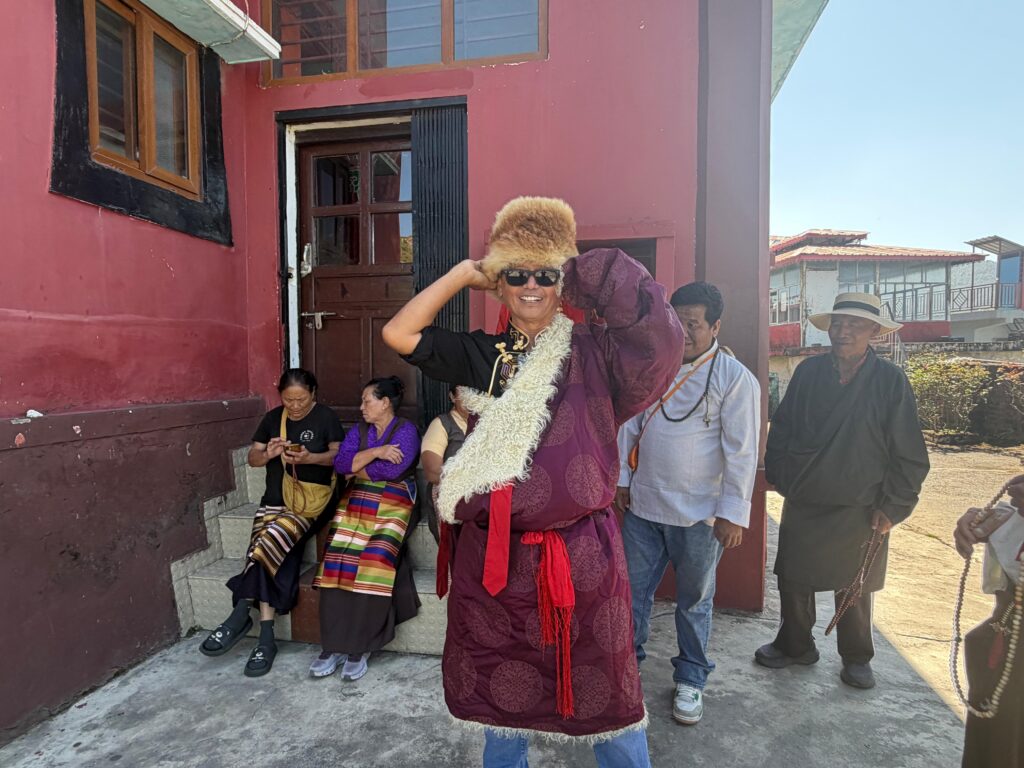
On 23 September 2026, corresponding to the 12th day of the 8th month of the Tibetan Year 2153 (Fire Horse Year), Kamrao Gapa Tibetan Settlement observed Lhakar (White Wednesday) as part of the celebration of Tibetan Identity Preservation Week. The programme was organized in accordance with the campaign slogans, “I Recite Mani Prayers, I Speak Tibetan, I Wear Tibetan Dress, and I Eat Tibetan Food,” with the aim of preserving and promoting Tibetan language, culture, and identity.
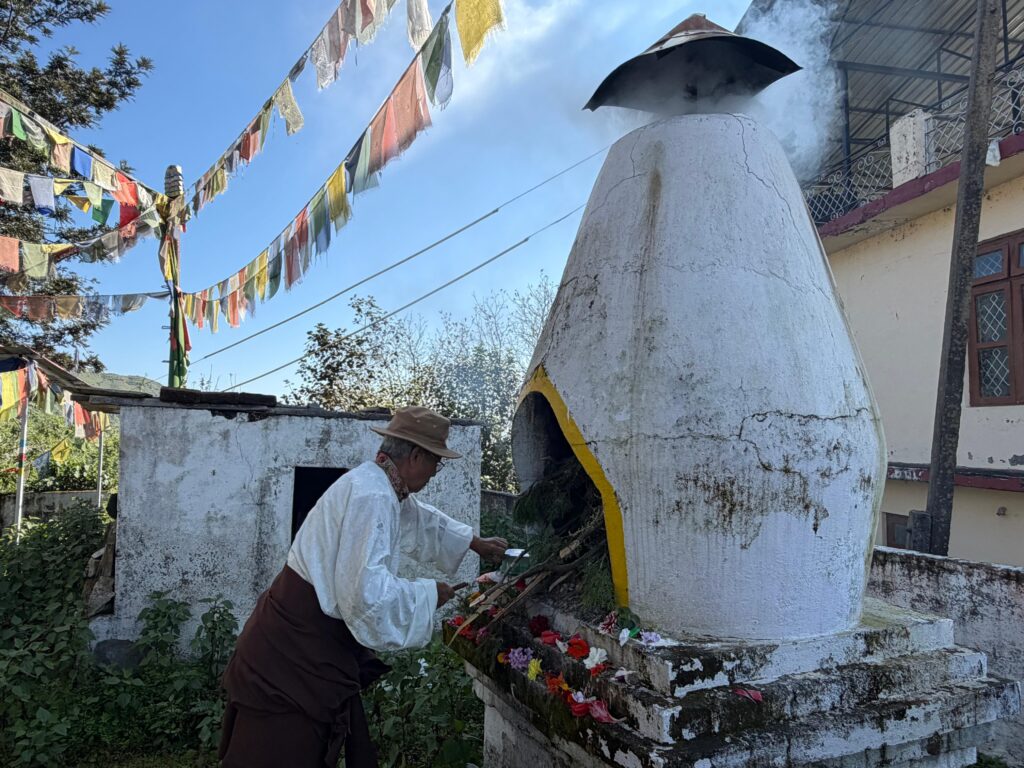
The programme commenced at 8:30 a.m. with monks and lay community members gathering at the local Lhasol site. Special prayers, incense offerings, and invocations to the Tibetan protector deities were conducted, followed by the traditional chanting of Lha Gyal (Victory to the Gods).
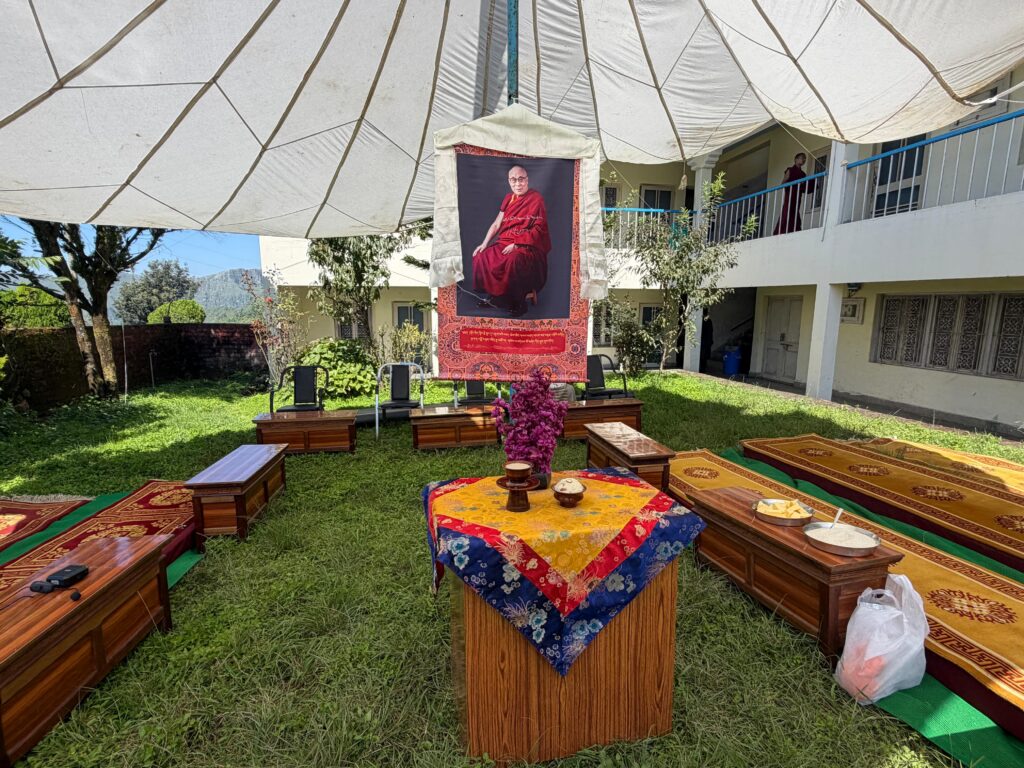
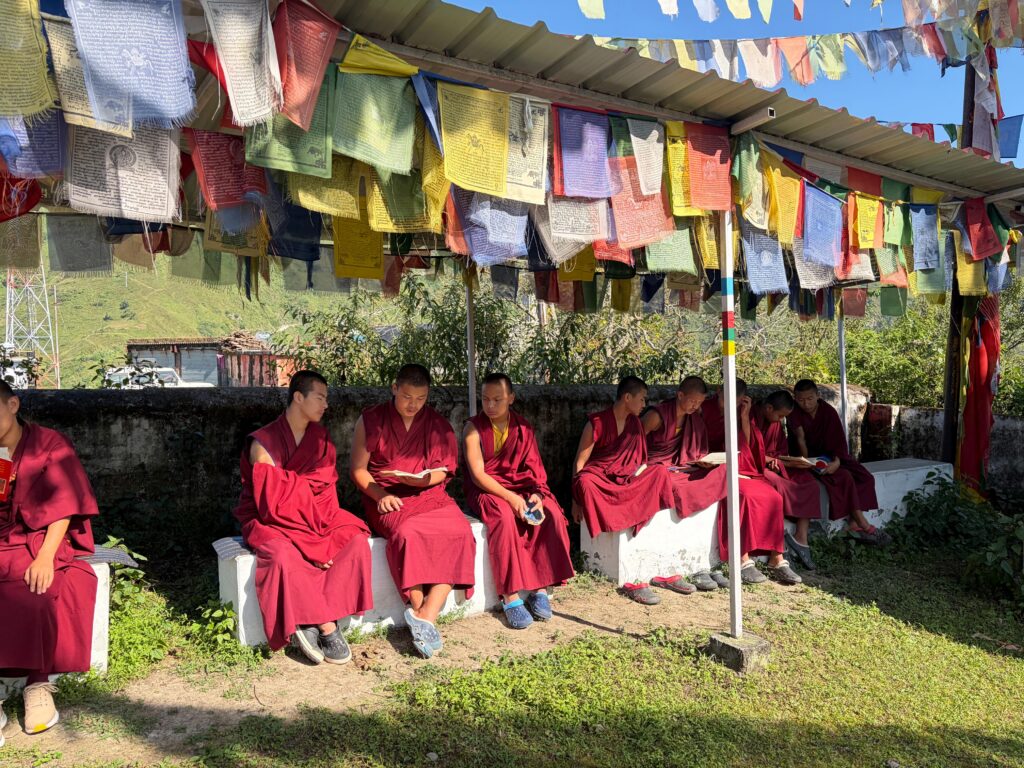
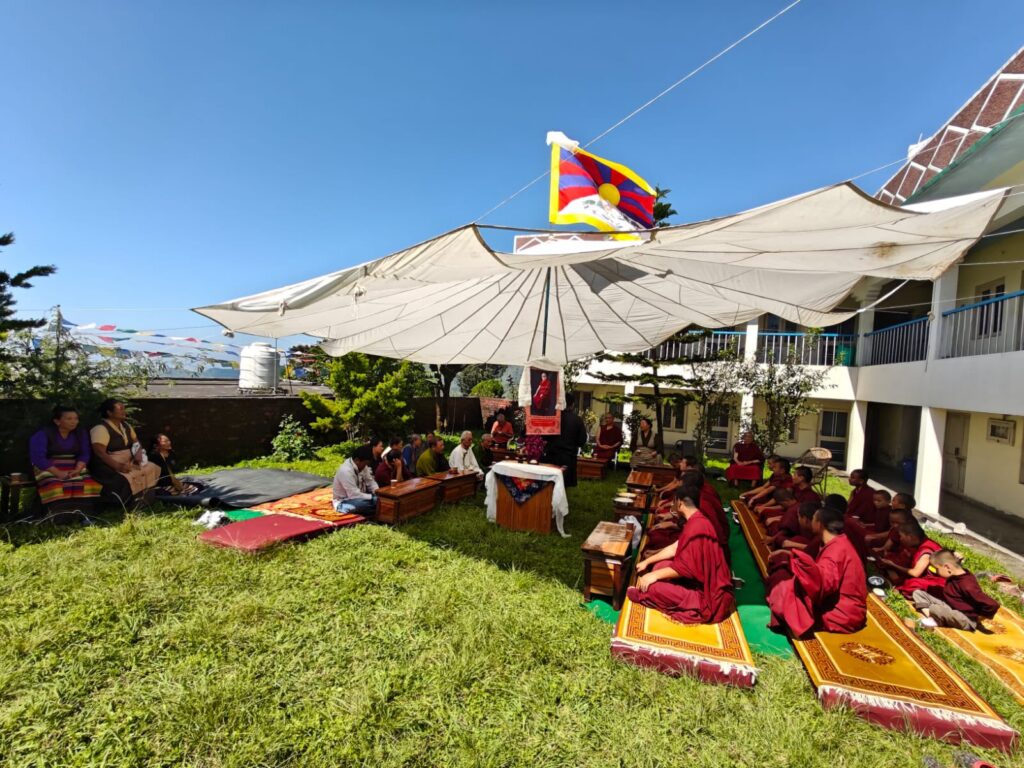
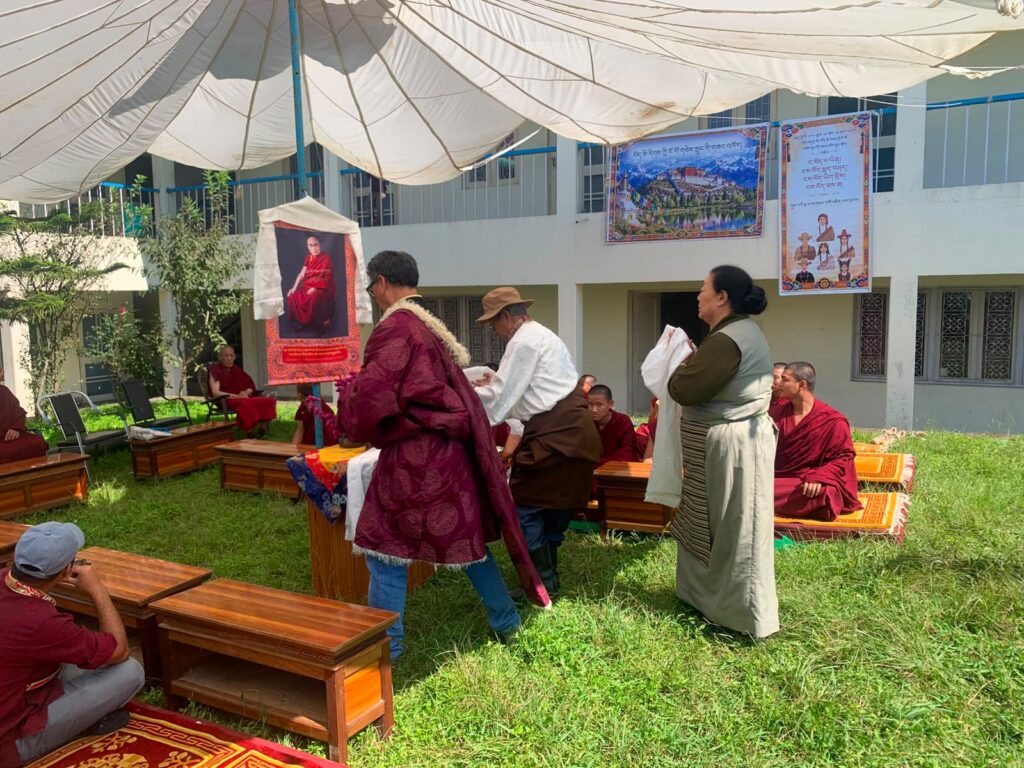
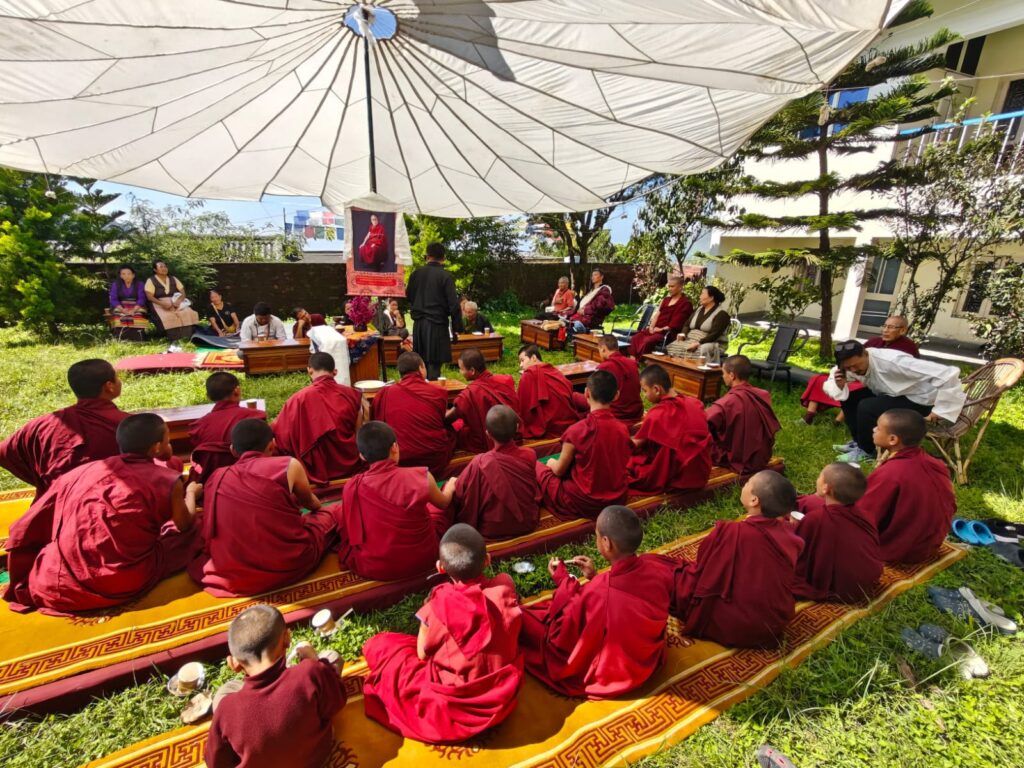
Thereafter, the participants assembled at Ga Kyegu Gon-Tse Chen Samdup Ling Monastery, where monks, settlement leaders, representatives of the Settlement Office, and members of the Tibetan community gathered wearing traditional Tibetan attire. The programme began with the singing of the Tibetan National Anthem, followed by a moment of silence in remembrance of the Tibetan patriots who sacrificed their lives and dedicated themselves to the cause of Tibet and the Tibet’s Freedom.
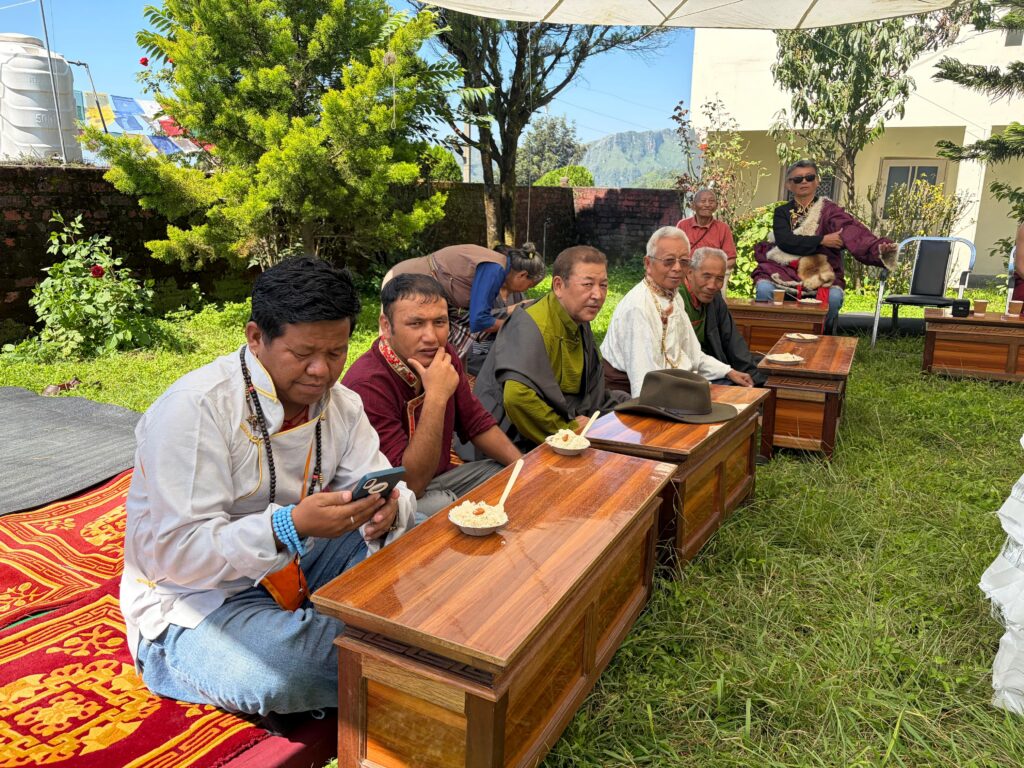
As a gesture of traditional Tibetan hospitality, sweet rice and butter tea were served to the gathering. Following this, a representative of the Settlement Office addressed the participants on the significance of observing Tibetan Identity Preservation Week and emphasized the importance of safeguarding Tibetan language, culture, and national identity.
As Tibetans, we must remain committed to preserving our language, culture, and identity by resisting policies that seek to weaken or assimilate them. We should strengthen our efforts to promote the Tibetan language, traditions, and cultural heritage in response to challenges posed by the Chinese government’s Ethnic Unity Policy.
Community members were encouraged to actively use and promote the Tibetan language in their daily lives.
An interactive quiz programme was also conducted on Tibetan religion, culture, history, customs, and commonly used Tibetan vocabulary. The participants enthusiastically took part in the question-and-answer session, which helped strengthen awareness and understanding of Tibetan heritage.
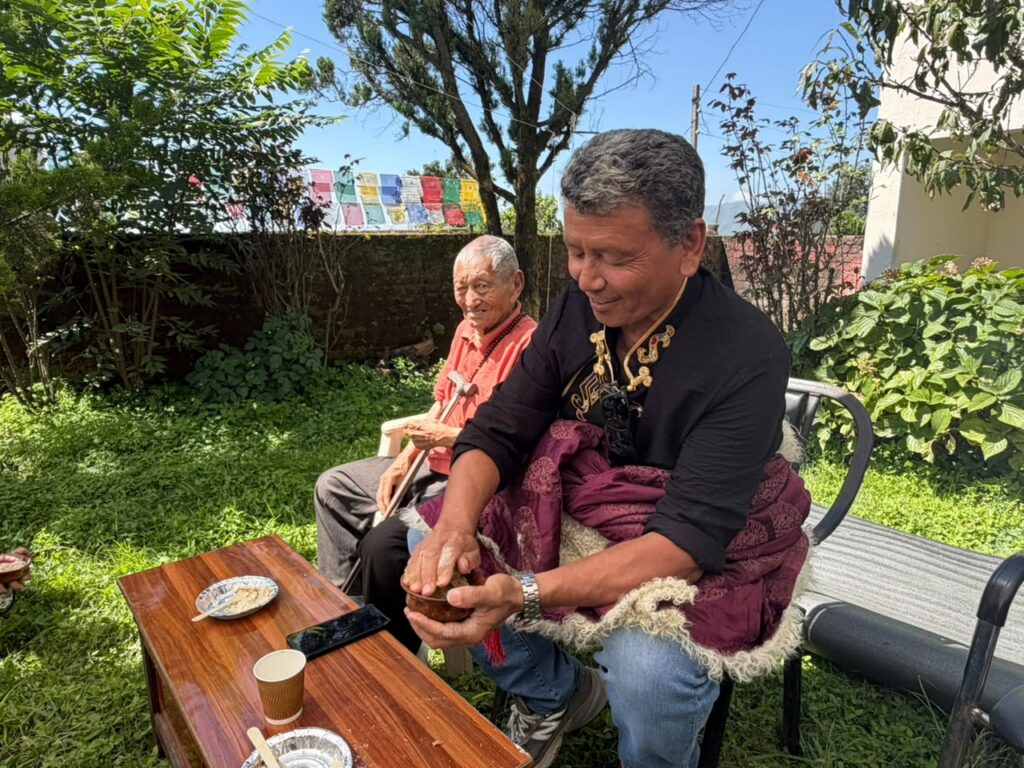
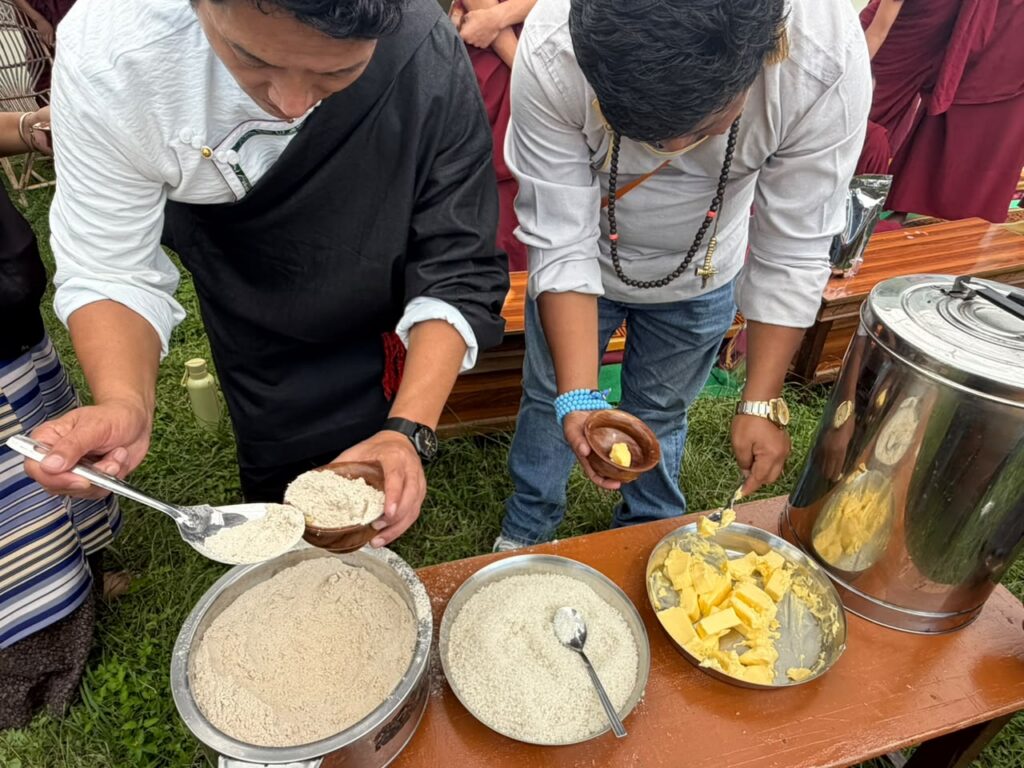
The programme further included a traditional Tibetan lunch featuring tsampa and butter tea, highlighting the importance of Tibetan food culture. Senior members of the community also demonstrated the traditional method of preparing and kneading tsampa, providing younger generations with an opportunity to learn and appreciate an important aspect of Tibetan cultural practice.
The observance concluded successfully with active participation from monks and community members, reaffirming their commitment to preserving and promoting Tibetan identity, language, culture, and traditions for future generations.